


SWAN Beauty
0.00.00 Reviews
App Specs
- Version
- 2.17.0
- Updated On
- License
- Free
- Downloads
- 10,000+
- Developer
- SWAN Beauty
- Categories
- Beauty
- Platform
- Android
Screenshots
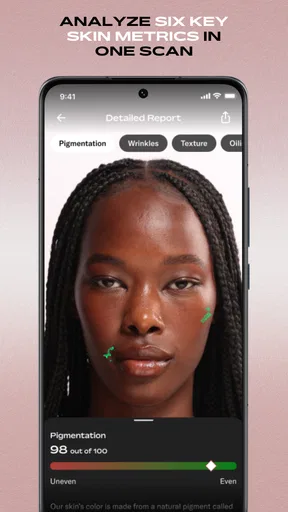
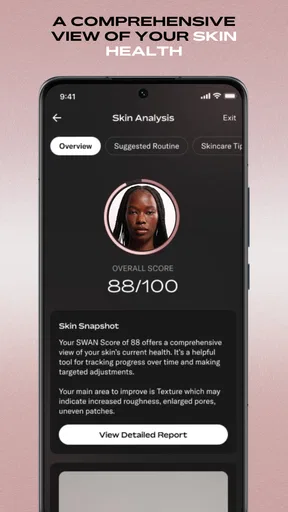
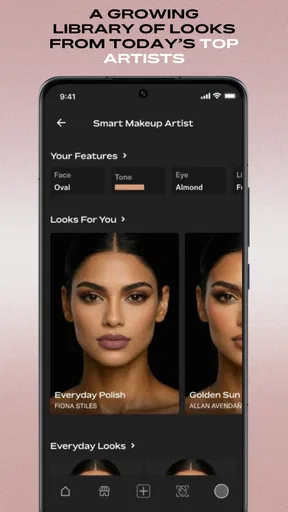
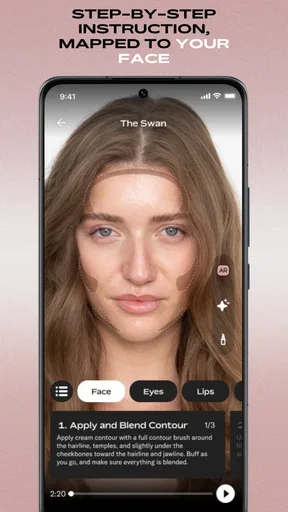
 Analysis by AppCompare
I approached SWAN Beauty as I would any beauty app I might keep on my phone: not because a short store summary promises a personalized experience, but because personalization should make everyday choices easier. The app comes from SWAN Beauty and sits in the beauty category, with a focus that appears intended for people who want their beauty routine to feel more relevant to them rather than assembled from random recommendations.
My first impression is that this is best viewed as a discovery and routine-support tool, not as a replacement for a dermatologist, makeup professional, or careful product research. That distinction matters. A beauty app can help you organize ideas, notice patterns, and narrow down options, but it cannot automatically understand every detail of your skin, hair, allergies, lifestyle, or personal taste. Used with realistic expectations, SWAN Beauty has a useful place in a personal-care routine.
The app is free to download, carries a Teen content rating, and supports devices running Android 7.0 or later. Its current release is version 2.16.0, which gives the product a more established feel than a brand-new experiment. SWAN Beauty has also passed the ten-thousand-install mark, so there is at least a modest user base around it. I would still judge it by how well it fits my routine rather than by install numbers.
How SWAN Beauty fits into a real beauty routine
I find a beauty app easiest to judge when it has to fit around real life, not just a solo browsing session. In a shared home, SWAN Beauty can be a place to explore ideas between errands and routines, while each person keeps their own preferences and decisions distinct. I’d start by thinking about how the phone is used before deciding what to share, which leads to the practical question of setup boundaries.
A practical starting point for personalized discovery
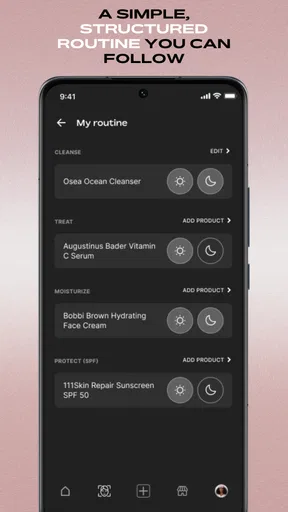
The strongest idea behind SWAN Beauty is simple: beauty advice becomes more useful when it starts with the person using it. I do not want a long list of popular products that ignores whether I prefer a quick routine, have a limited budget, or dislike a certain finish. A personalized approach can reduce that feeling of browsing endlessly without knowing what is actually relevant.
That makes the app particularly appealing to someone who is still building a routine. A teenager learning the difference between basic skincare steps, a busy user who wants a shorter morning process, or someone returning to beauty products after a long break may find a guided experience less intimidating than searching across social networks and online shops.
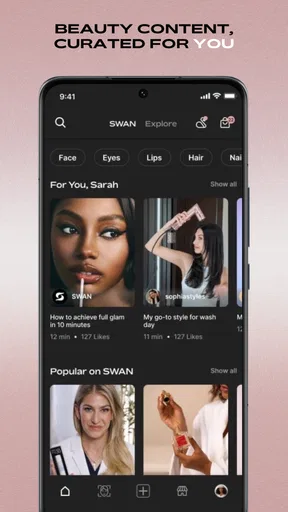
I also see value for users who enjoy experimenting but want a little structure. Instead of treating every new trend as something worth trying immediately, I can use a beauty-focused app as a place to collect ideas and decide which ones deserve attention. The important habit is to treat suggestions as starting points, not instructions that must be followed without question.
Worth Reading Before You Choose

EA SPORTS FC Mobile 26 Is a Bigger Football Game, but It Takes Time

Flipboard Shows What News Apps Must Do Beyond the Feed

Switching to Android Auto Means Rethinking Your Driving Routine

Google Calendar Makes a Crowded Week Easier to Manage

Ludo King Makes the Most of the Minutes Between Plans

Baby Panda World Brings Quick Play to Modern Phones, but Its Game Library Feels Busy
Where it is more useful than ordinary searching
General search is quick, but it often produces an overwhelming mix of sponsored results, viral recommendations, professional advice, and personal opinions. Social media is even more visual, yet it can make a product seem universally suitable when the result depends heavily on lighting, editing, skin type, or the creator’s own preferences.
SWAN Beauty has a clearer purpose because it is built around beauty rather than trying to be a general search engine. That focus can make the experience more comfortable when I already know the kind of help I want. If I am comparing routine ideas or trying to understand what might suit me, a dedicated app feels less scattered than moving between unrelated websites.
There is a trade-off, though. A focused app is only as useful as the depth and quality of its personalization. If my preferences are too broad, or if I want highly technical ingredient analysis, a specialist skincare resource may be a better choice. SWAN Beauty is most convincing when I need approachable guidance rather than laboratory-level evaluation.
A realistic everyday scenario
Imagine I am getting ready for work or school and want a routine that takes only a few minutes. I may not need an elaborate transformation; I need ideas that match my comfort level and can be repeated consistently. This is the kind of situation where a personalized beauty app can help me move from vague goals such as “look more refreshed” to a more manageable set of choices.
Later, when I have more time, I can revisit those ideas and decide what is worth testing. That two-stage use is more sensible than trying several changes at once. I would first use the app for direction, then introduce one change at a time in my actual routine. This makes it easier to tell whether a product or technique suits me, and it avoids blaming the entire recommendation process for a reaction caused by one new item.
For me, the practical benefit is not discovering something dramatic every day. It is reducing decision fatigue. A beauty routine becomes easier to maintain when I have a small, understandable plan instead of a constantly changing collection of trends.
What the latest version suggests about the product’s direction
The current version, 2.16.0, indicates that SWAN Beauty has continued beyond its original release on August 30, 2022. That evolution is worth noting because an app intended to personalize beauty advice needs ongoing attention. User expectations change, beauty habits change, and the way people browse products changes as well.
I would interpret the current release as evidence that the developer, SWAN Beauty, has kept the app active enough to receive continued version updates. I would not turn that into a promise about a specific feature or claim that every part of the experience has been redesigned. The useful conclusion is narrower: this is not simply an abandoned launch version, and current users should install the latest available release rather than rely on an old copy.
For existing users, a current release can make the app feel more dependable in day-to-day use. It is also the version that new users should evaluate, since older impressions may no longer describe the present experience. At the same time, a version number alone does not tell me whether personalization is deep, whether navigation is fast, or whether the recommendation quality matches my needs. Those are still things I would judge through actual use.
How I would set it up for better results
My first tip is to be honest rather than aspirational when entering preferences. If I usually wear minimal makeup, selecting an elaborate style simply because I like looking at it may lead to suggestions I will never use. Personalization works better when it reflects my real habits, available time, and comfort level.
My second tip is to define one goal for the first session. I might focus on building a basic routine, finding ideas for a particular occasion, or learning how to make an existing routine more efficient. Trying to solve every beauty question at once makes it harder to judge whether the app is helping.
A third useful habit is to keep a small note outside the app while testing recommendations. I can record what I tried, when I tried it, and how it felt. This is especially helpful when I change more than one part of a routine. The app can guide discovery, but my own observations are what turn a suggestion into a reliable personal decision.
I would also avoid treating a recommendation as proof that a product is safe for me. I would check the packaging, read the ingredient list, and patch-test unfamiliar products when appropriate. This is not a criticism unique to SWAN Beauty; it is a necessary boundary for every beauty recommendation service.
Who is likely to enjoy it most
SWAN Beauty is a good match for people who want beauty guidance in a more personal and approachable format. Beginners may appreciate having a focused place to explore instead of facing a wall of conflicting advice. Casual users may like it because they can dip in for ideas without committing to a complicated system. It can also suit someone who enjoys beauty content but wants to make choices based on personal preferences rather than popularity alone.
The Teen rating makes the app relevant to younger users, but I would still encourage sensible supervision and conversation around products, particularly when skincare concerns are involved. Younger users can benefit from learning that more products do not automatically mean better results. A simple routine and careful observation are often more useful than chasing every trend.
It may also be helpful for people who are reorganizing their routines after a move, a change in schedule, or a shift in personal style. In those moments, an app can act as a prompt to reassess what I actually use instead of carrying old habits forward automatically.
Who should choose another type of tool
I would skip SWAN Beauty if I were looking for medical guidance about persistent acne, eczema, irritation, hair loss, or another condition that needs professional assessment. A beauty app can support everyday exploration, but it should not be used to diagnose a problem or delay appropriate care.
I would also look elsewhere if my main priority were detailed ingredient databases, clinical evidence, shade-matching precision, or professional salon planning. A specialist app or a consultation may be better for those needs. Likewise, someone who already has a routine they trust may find a personalization-focused app unnecessary unless they enjoy discovering new ideas.
Another possible limitation is that personalization can feel less valuable when I am unwilling to spend time giving the app useful context. If I want instant, highly specific answers without explaining my preferences or checking recommendations myself, the experience may not meet my expectations. Good personalization usually requires some participation from the user.
The main friction points I would keep in mind
The biggest conceptual limitation is the gap between a personalized suggestion and a genuinely personal result. Beauty outcomes depend on application technique, climate, product quality, skin condition, lighting, and consistency. Even a well-matched idea may not work exactly as expected in my routine.
There is also the risk of narrowing my choices too quickly. If I rely only on recommendations that appear to match my existing preferences, I may miss alternatives that could suit me better. I would use the personalized experience as a filter, not as a closed box. Occasionally exploring outside the suggested path keeps my routine from becoming predictable.
Because the app is free, I would remain attentive to how the overall experience fits my comfort with digital beauty services. I would review any prompts carefully and avoid sharing information that feels unnecessary for the task I want to complete. That is a sensible habit with any app that aims to tailor content to an individual.
How it compares with familiar alternatives
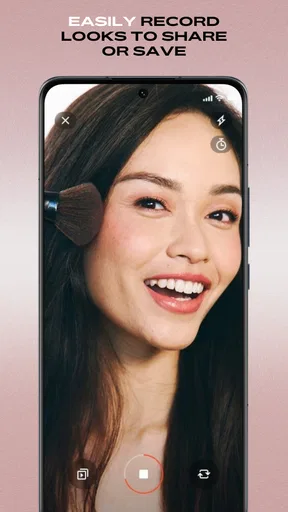
Compared with browsing beauty videos, SWAN Beauty should feel more directed and less dependent on finding a creator whose preferences resemble mine. Videos are excellent for seeing techniques in action, but they can encourage impulse purchases and make complex routines look effortless. An app can be better for organizing my own starting point, while video remains useful when I need to watch how something is done.
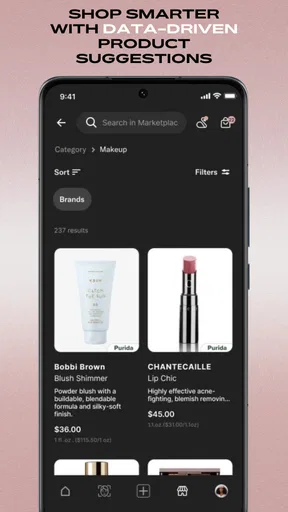
Compared with a retailer’s recommendation tool, a dedicated beauty app may feel less tied to a shopping decision. Retail sites are convenient when I already know what I want to buy, but their suggestions naturally sit close to the purchase process. SWAN Beauty is more appealing when my first question is about direction rather than checkout.
Compared with a professional consultation, the app is more accessible and easier to revisit, but it cannot match the judgment of someone who can examine my skin, ask detailed questions, and adapt advice in real time. I would use SWAN Beauty for preparation and exploration, then seek a professional when the issue is persistent, sensitive, or unusually specific.
What existing users and new users should watch
Existing users should pay attention to whether the current release makes their routine easier to maintain, not merely whether it adds more things to explore. The best sign of progress would be recommendations that feel increasingly relevant without making the experience more complicated. I would also watch how smoothly the app fits into repeated use: can I return after a week and quickly continue, or does every session feel like starting over?
New users should evaluate the app over several ordinary sessions rather than judging it from one quick visit. Personalization often becomes more useful once I have clarified what I actually want. I would begin with a narrow goal, test suggestions cautiously, and decide whether the app saves time compared with my usual search habits.
The product’s future value will depend on whether its personalization remains practical as beauty preferences evolve. A useful beauty companion should help me make clearer decisions, not simply expose me to more products and trends. That is the standard I would apply to future updates from SWAN Beauty.
My final take after weighing the trade-offs
SWAN Beauty is an approachable free beauty app for users who want personalized discovery without beginning with a complicated professional system. Its current version shows continued development since its original release, and its focus makes it more purposeful than general browsing when I need routine ideas that feel closer to my own preferences.
I would recommend trying it if you are building a routine, feeling overwhelmed by beauty content, or looking for a more organized way to explore personal-care options. I would not rely on it for medical concerns, highly technical ingredient research, or precision services that require expert assessment.
My recommendation is to use SWAN Beauty as a thoughtful starting point, not as the final authority on your appearance or health. If I keep my expectations realistic, test changes gradually, and use my own judgment alongside its personalized direction, the app can make beauty discovery feel less random and more manageable.
Pros
- Personalized beauty services can make booking more convenient.
- The app may help users discover nearby salons and beauty professionals.
- Service details can simplify comparing available treatments.
- Digital booking reduces the need for phone calls or in-person visits.
- Appointment information is easier to keep organized in one place.
Cons
- Availability may vary considerably depending on your location.
- Some features may require creating an account before use.
- Prices and service quality can differ between listed providers.
- Last-minute cancellations may be subject to salon-specific policies.
- The app’s usefulness depends on having participating local businesses.
FAQs for SWAN Beauty
What is SWAN Beauty, and what can I use it for?
SWAN Beauty is a beauty-focused mobile application designed to help users explore and manage beauty-related services, products, or routines in one place. Depending on the version available in your region, you may be able to browse beauty options, discover treatments, view service information, and keep track of appointments or purchases. The exact features can vary by location and app updates, so check the listing before downloading.
Is SWAN Beauty free to download and use?
The SWAN Beauty app may be free to download, but some services, products, bookings, memberships, or premium features can require payment. Installing the application does not necessarily mean that every function is free. Before confirming a purchase or appointment, review the displayed price, taxes, cancellation terms, and any recurring subscription details. Availability and pricing may differ depending on your country.
Do I need to create an account to use SWAN Beauty?
Some basic areas of SWAN Beauty may be accessible without registration, but an account is commonly required for features such as booking services, saving preferences, viewing order or appointment history, receiving personalized recommendations, or managing a profile. Registration may involve an email address, phone number, or social login. Use accurate details so confirmations and important service notifications reach you correctly.
Is SWAN Beauty safe to use and what personal information does it collect?
SWAN Beauty should be downloaded from an official app store to reduce the risk of installing an altered or unsafe version. Like many beauty and booking apps, it may request information such as your name, contact details, location, payment information, or appointment preferences. Before creating an account, read the app’s privacy policy and review the permissions requested. Avoid sharing sensitive information unless it is genuinely necessary.
Can I book, cancel, or change a beauty appointment through SWAN Beauty?
If appointment management is supported in your region, SWAN Beauty may allow you to browse available services, select a provider or location, choose a time, and receive booking confirmation within the app. Cancellation and rescheduling rules usually depend on the individual business, service, and timing of the request. Always check the appointment details and cancellation policy carefully, since late changes may involve fees or restrictions.


